
-
 By: Admin
- 21 Jun, 2025
It’s only the beginning of the flu season but the number of flu cases is already high for this time of the year and is only expected to increase as the flu season progresses. How can you protect yourself and your family from the flu, and what should you do if you do catch the flu?
What are the Symptoms of the Flu?
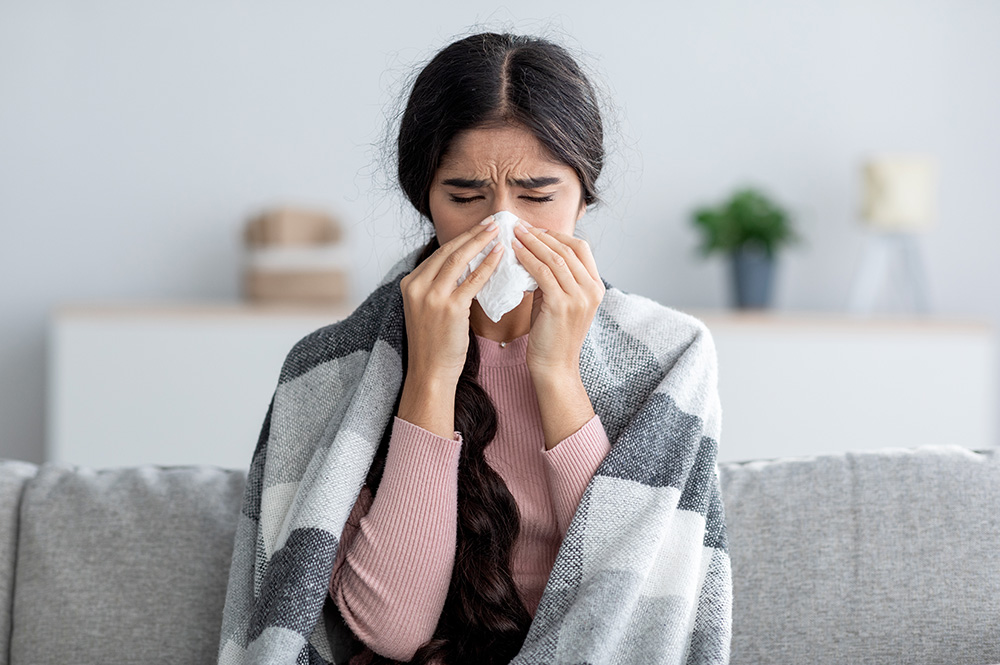
You will start to experience symptoms around 1-3 days after infection. These symptoms can develop suddenly and include tiredness, high fever, chills, headache, coughing, sneezing, decreased appetite, runny nose and muscle aches. In general, it takes around 2 weeks to recover.
How to Minimise Your Risk of Catching The Flu
Vaccination provides the best protection against the influenza virus. These vaccines are seasonal so must be given every year. This is because each year there are different viruses that cause the flu. Ask your doctor about getting the flu vaccination before the flu season really hits.
Whilst the flu vaccine provides great protection, it does not mean you won’t catch a cold or flu at all. This is because the flu vaccine only contains three or four types of influenza viruses, and there are definitely many more than that circulating around. That’s why it’s also important to follow some simple steps to minimise your risk of catching the flu virus.
You can also take vitamins to help boost your immune system. Always check with your doctor or pharmacist if unsure whether the product is suitable for you, especially if taking other medications.
When to Seek Help
For some people such as the young and elderly, there is a higher chance of complications caused by the flu. These include pneumonia, bronchitis, chest and sinus infections, and heart, blood or liver complications. These have the potential to lead to hospitalisation and even death.
See your doctor if your symptoms have lasted more than 2 weeks, if you get difficulty breathing, cough up green or yellow phlegm or have a severe headache. If you are unsure about whether you have the flu or a complication of the flu, speak to your doctor. When you book an appointment, make sure you let them know that you think you have the flu
Medications to Manage Flu Symptoms
If you do catch the flu, besides getting to seek help from the doctor, the best thing to do is to stay at home and rest. This will assist with faster recovery, and also minimise the spread of your flu to family, friends and many other people. Also keep warm and drink plenty of water.
There are some medicines that can help manage flu symptoms. Always check with your doctor or pharmacist if unsure whether these medications are suitable for you, especially if taking other medications.